WFH or Café — Still Need That VPN.
A VPN (Virtual Private Network) isn’t just a tool for streaming foreign content. In a work context, it’s an encrypted tunnel between your device and the destination server, ensuring that all your data — credentials, documents, and internal messages — stay protected from prying eyes on public networks. Without a VPN, anyone sharing the same Wi-Fi network could launch a man-in-the-middle attack, intercept data packets, or inject malware into your web traffic. A VPN closes these gaps by encrypting the communication, so even if someone manages to intercept the traffic, all they’ll see is meaningless scrambled data.
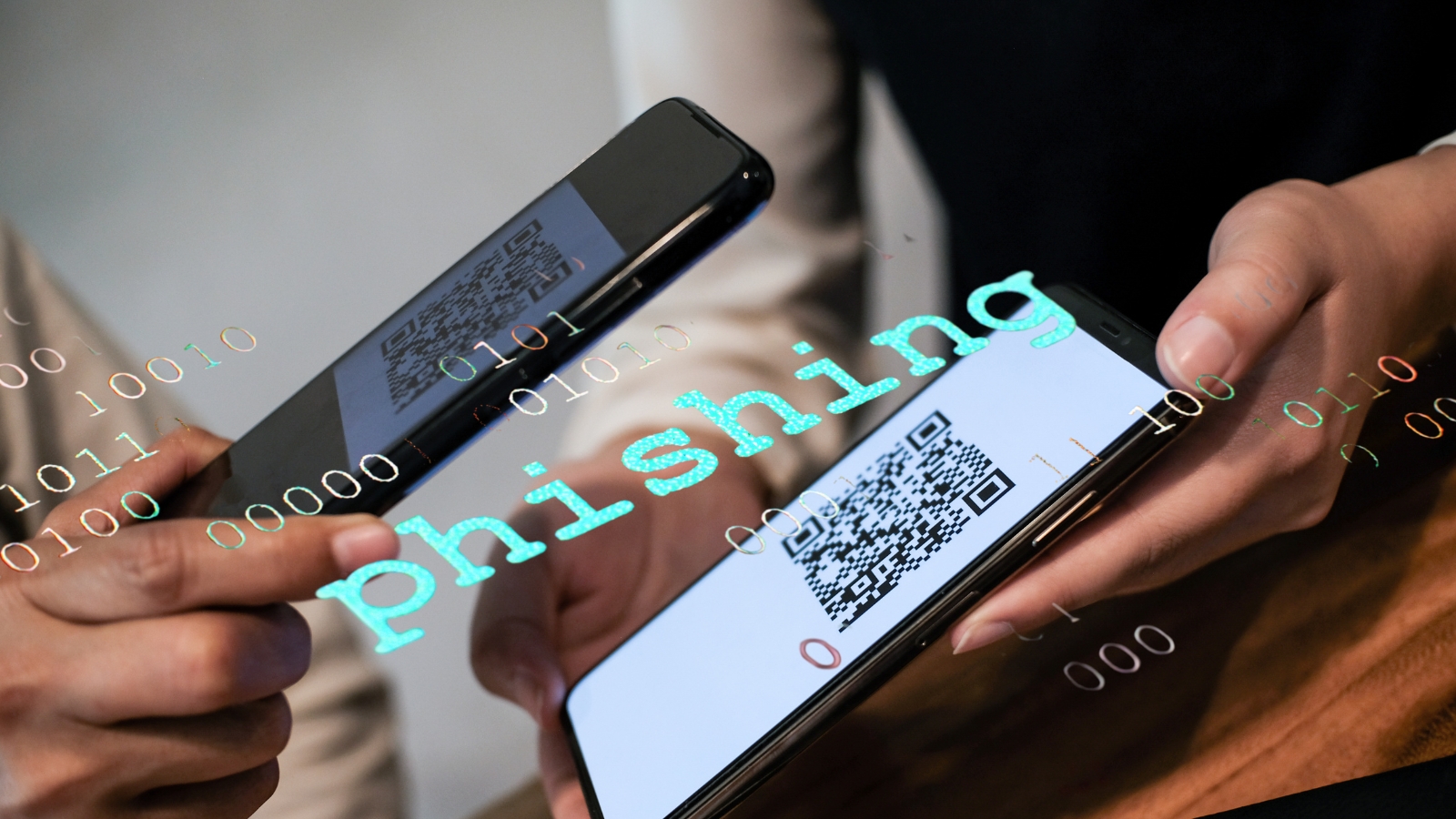
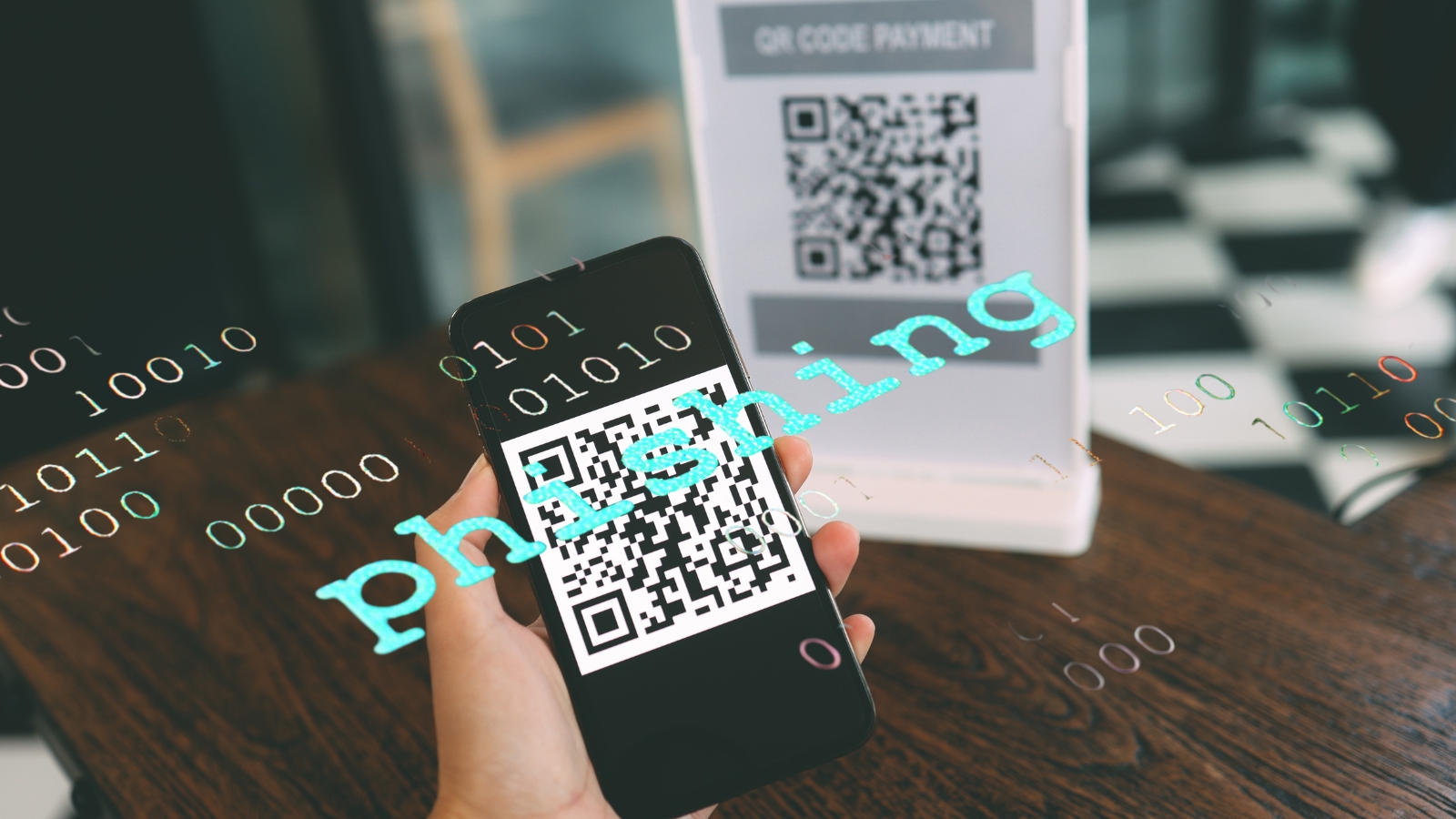
However, a VPN isn’t an all-in-one guarantee of safety. It can’t protect you from logging into a phishing site, using a free VPN that sells your data, or leaking information through an outdated device. A VPN is only one layer of defense — and it works best when used correctly, in a secure environment.
Public Wi-Fi: Where Comfort Meets Compromise.
Public Wi-Fi at cafés, airports, or hotels often looks safe because it requires a password, but the protection is often weak. Many public networks still rely on outdated encryption like WPA2-PSK, which can be cracked in minutes with simple tools.Under these conditions, attackers can perform packet sniffing — spying on every piece of data passing through the network — without breaching any system. Email logins, work sessions, and even files you send can be recorded and exploited at any time.
Even worse, some attackers set up fake networks with names similar to real cafés — for example, “CoffeeBean Free Wi-Fi” — to trick users into connecting to their rogue hotspots. Once you connect, all your traffic passes through the attacker’s device before reaching the internet.The result? Work credentials, login tokens, and even internal communications can be siphoned off without you noticing — all from a single “harmless” coffee-break session.
Where VPN Protection Starts — and Where It Ends.
A VPN creates a secure tunnel between your device and the internet. All the data leaving and entering your device is encrypted, so even if someone tries to eavesdrop on the same network, all they’ll see is gibberish. Imagine working in a glass room (public Wi-Fi) — the VPN draws the curtains closed. Your data still flows, but your privacy stays intact.
Still, true security comes from the combination of technology and behavior. A VPN is only one link in the chain of digital defense. Use a reputable VPN provider, avoid unprotected public Wi-Fi, and make sure your devices are always updated.
Safe work isn’t about where you are — it’s about how you connect.
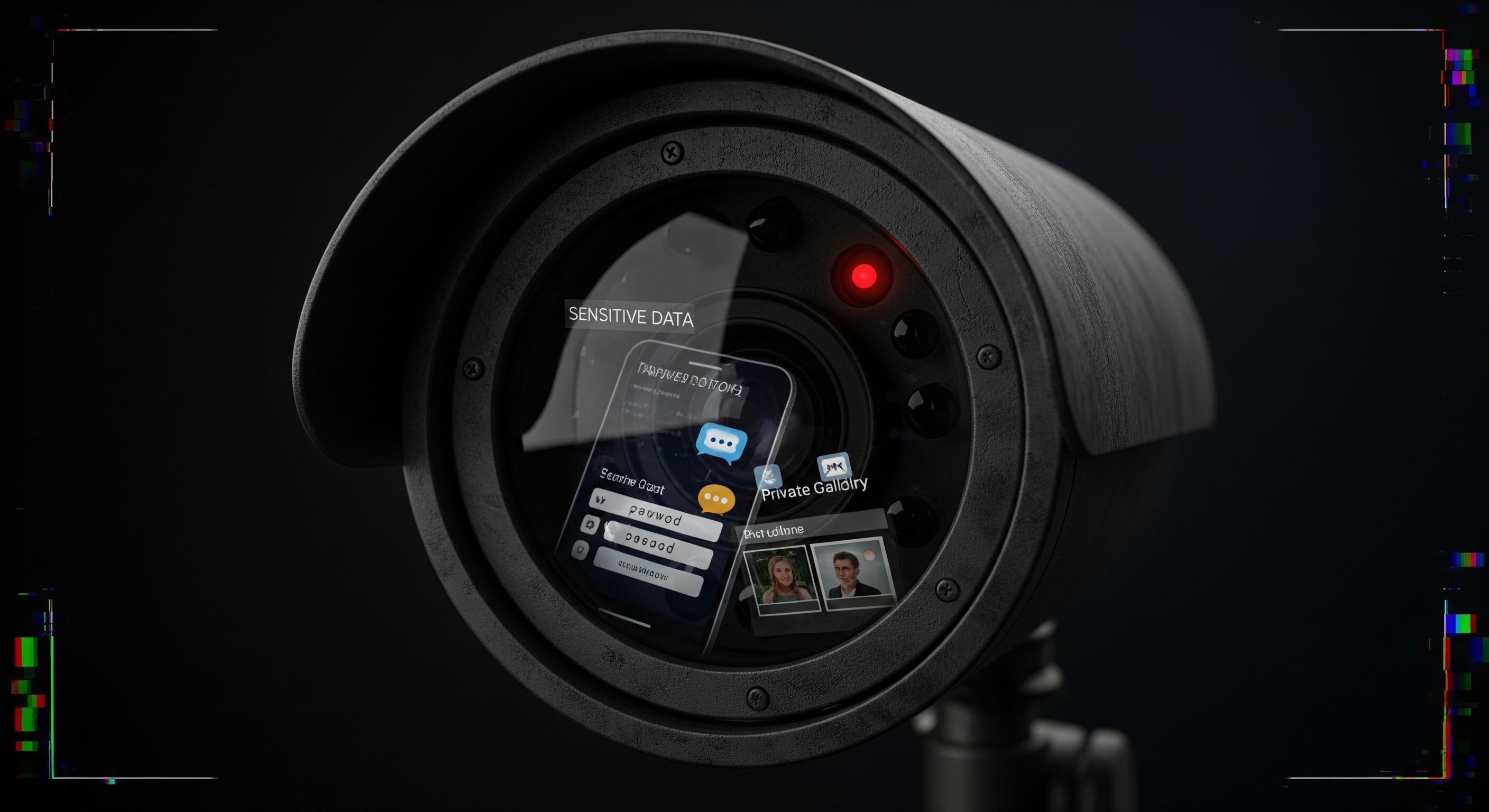
When you connect to public Wi-Fi without protection, every piece of data leaving your device can be intercepted — from usernames and passwords to session cookies and email contents, all visible within seconds to malicious actors. Such attacks often go unnoticed; an attacker only needs to wait, record, and later use your credentials to access corporate systems. From one laptop connected to a café network, a single leak can spread through the entire team. The real question is no longer “Do I need a VPN?” but “Am I still brave enough to work without one?” — because in today’s digital world, security isn’t about where you work, but how you connect.
"