Behind the convenience of our digital lives, there’s an invisible side of the internet—the dark web. It’s a hidden space where identities, accounts, and even medical records are bought and sold at shockingly low prices—sometimes cheaper than a cup of coffee.
What Is the Dark Web?
The dark web is a hidden part of the internet that cannot be accessed through regular search engines. To reach it, users must use special networks like Tor that allow anonymous browsing. While not all activity on the dark web is illegal, much of it is used for harmful or illicit purposes—including the trade of stolen personal data.
Types of Data Being Sold
On the digital black market, what’s being traded isn’t just random “data”—it’s often someone’s complete identity. The information sold can be highly diverse, ranging from credit card numbers and bank account details, to email and social media accounts, and even full login credentials like usernames and passwords. In many cases, cybercriminals also offer highly sensitive personal data, such as national ID numbers, tax identification (like NPWP), and selfie photos commonly used for identity verification processes.
Even medical records and health information, which should be among the most protected types of data, are frequently found on these marketplaces. From a corporate perspective, customer databases, internal systems, and business intelligence are also highly valuable and targeted assets. All of this information can be used in a variety of digital crimes—ranging from financial fraud and identity theft, to account takeovers, and misuse of digital services.
Email Sold for $5? Here’s What Your Data Is Worth on the Dark Web
The price of personal data on the dark web varies widely—and it's quite alarming. For example, a single active email account can be sold for as little as $1 to $5. Meanwhile, a complete identity package (commonly known as ""Fullz"")—which includes your full name, address, ID number, and financial details—can go for around $30 to $100, depending on the accuracy and depth of the information.
It doesn’t stop there. E-commerce or digital wallet accounts with active balances are also in high demand, typically priced between $10 and $50 per account. In some cases, credit card information with high balances can be sold for up to $500 per card.
This shows just how valuable your personal data can be in the hands of cybercriminals—even the things you might consider trivial, like your email address or phone number, can have significant economic value on the dark web.
How Does Our Data End Up There?
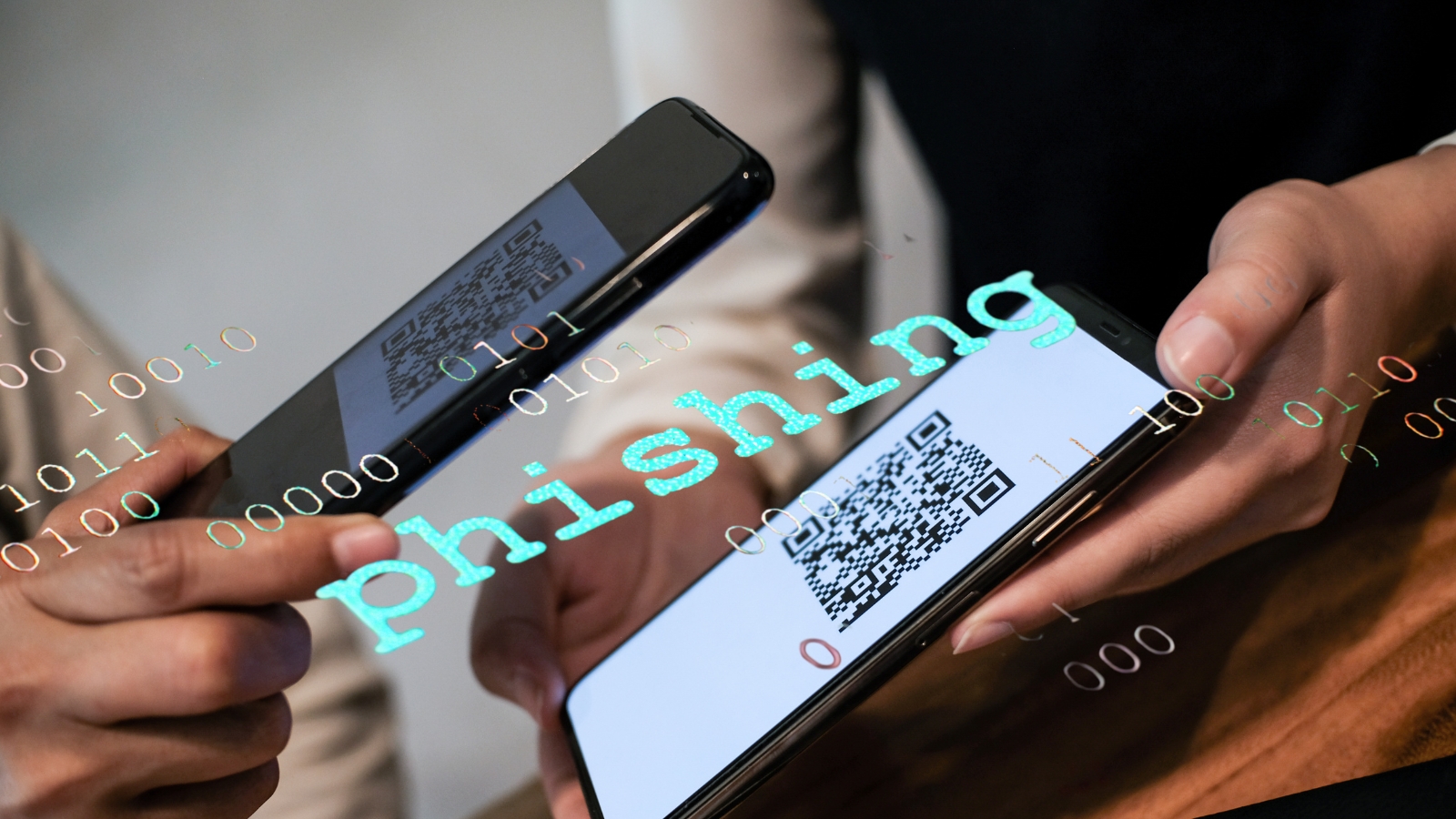
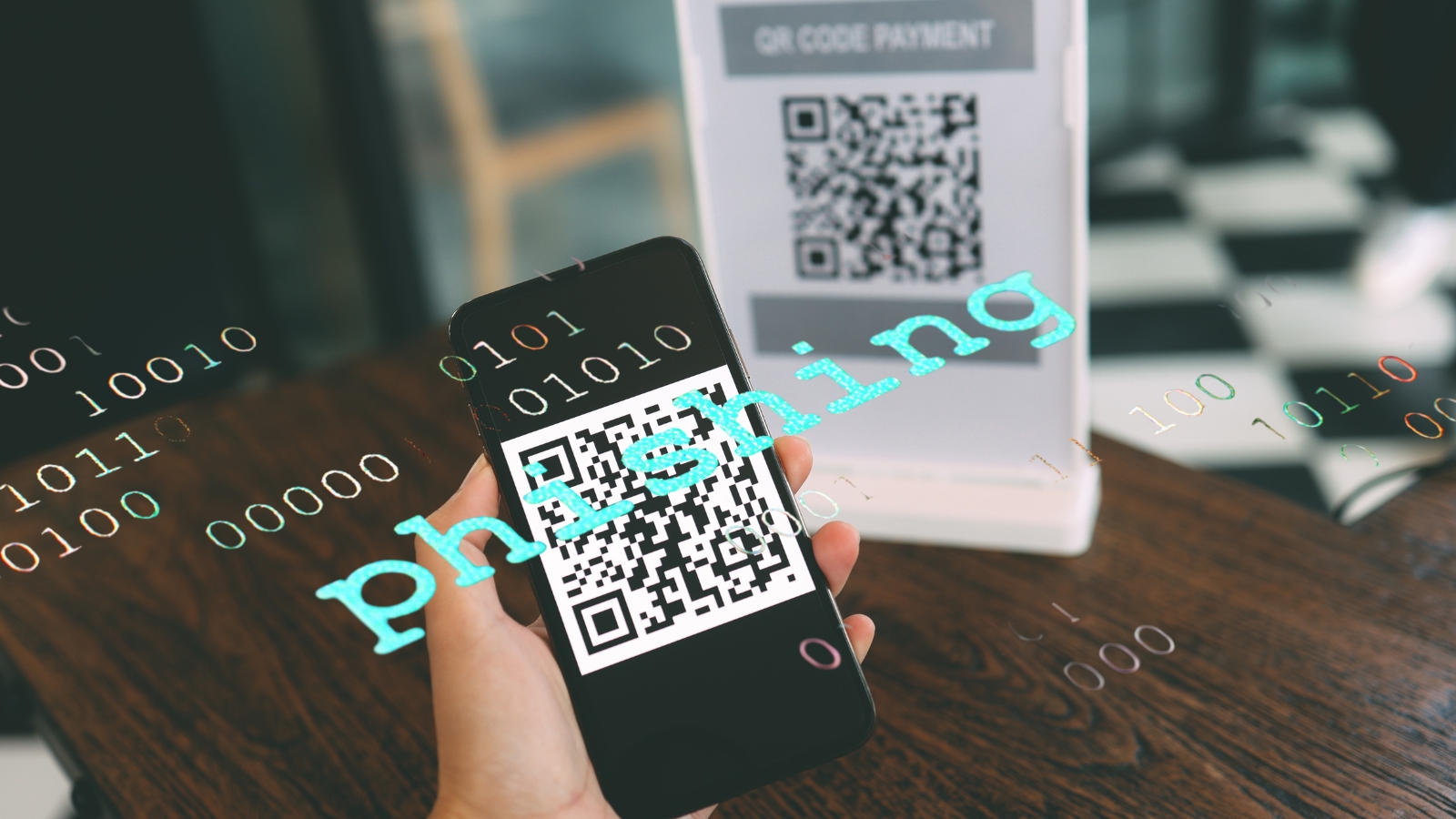
So, how does our personal data actually end up on dark web marketplaces? There are several common paths—and many of them happen without us even realizing. One of the most widely used tactics is phishing—where users are tricked into visiting fake websites or clicking on seemingly legitimate emails, then unknowingly entering their login credentials, which are instantly harvested by attackers.
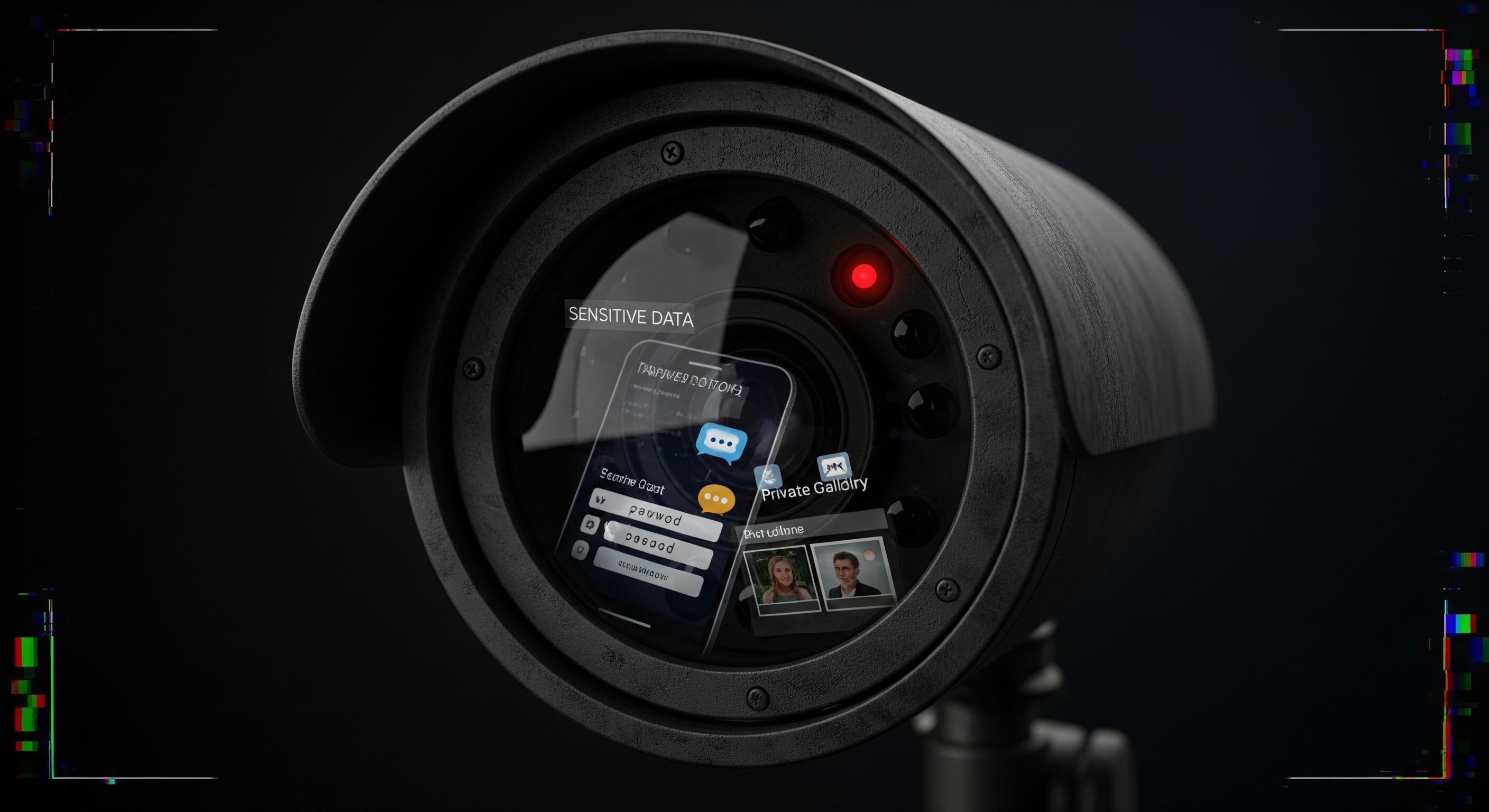
Another common method is through malware, where malicious programs are disguised as harmless apps or files. Once installed, they silently collect sensitive information from your device. Data can also leak from third-party services or applications—the ones we use every day—especially if those platforms are breached without informing users.
And perhaps the most underestimated cause: weak or reused passwords. When just one of your accounts is compromised, attackers will often try the same credentials on other platforms. That’s how a single breach can quickly escalate into multiple account takeovers—ultimately leading to your data being sold anonymously in the darkest corners of the internet.
What Can We Do?
To prevent your personal data from becoming a cheap commodity on the dark web, there are a few essential precautions you can take. Start by using strong, unique passwords for each of your accounts—never reuse the same password across multiple platforms. It’s also highly recommended to enable Multi-Factor Authentication (MFA) wherever possible to add an extra layer of protection beyond just a password.
Be cautious when receiving emails, messages, or links that seem suspicious—never click on anything unless you're absolutely sure it's safe. Regularly check whether your accounts have been involved in data breaches using tools like haveibeenpwned.com, which can alert you if your credentials are exposed.
Lastly, always be mindful of the apps and websites you use—avoid sharing excessive personal information, especially on platforms that lack transparency or security. These simple steps, when practiced consistently, can make a big difference in keeping your data safe from cybercriminals.
Closing: In the Digital Age, Data = Identity
Many people still don’t realize that personal data is an asset. When it gets leaked, the damage may not be immediate—but it can have long-term consequences. It's not just about losing access to an account, but also about losing trust.
On the internet, you may be using a service for free… but without realizing it, you might be the product.Protect your data before it’s freely sold without your consent.
The dark web is real. But awareness and proactive protection are the first steps to staying safe.